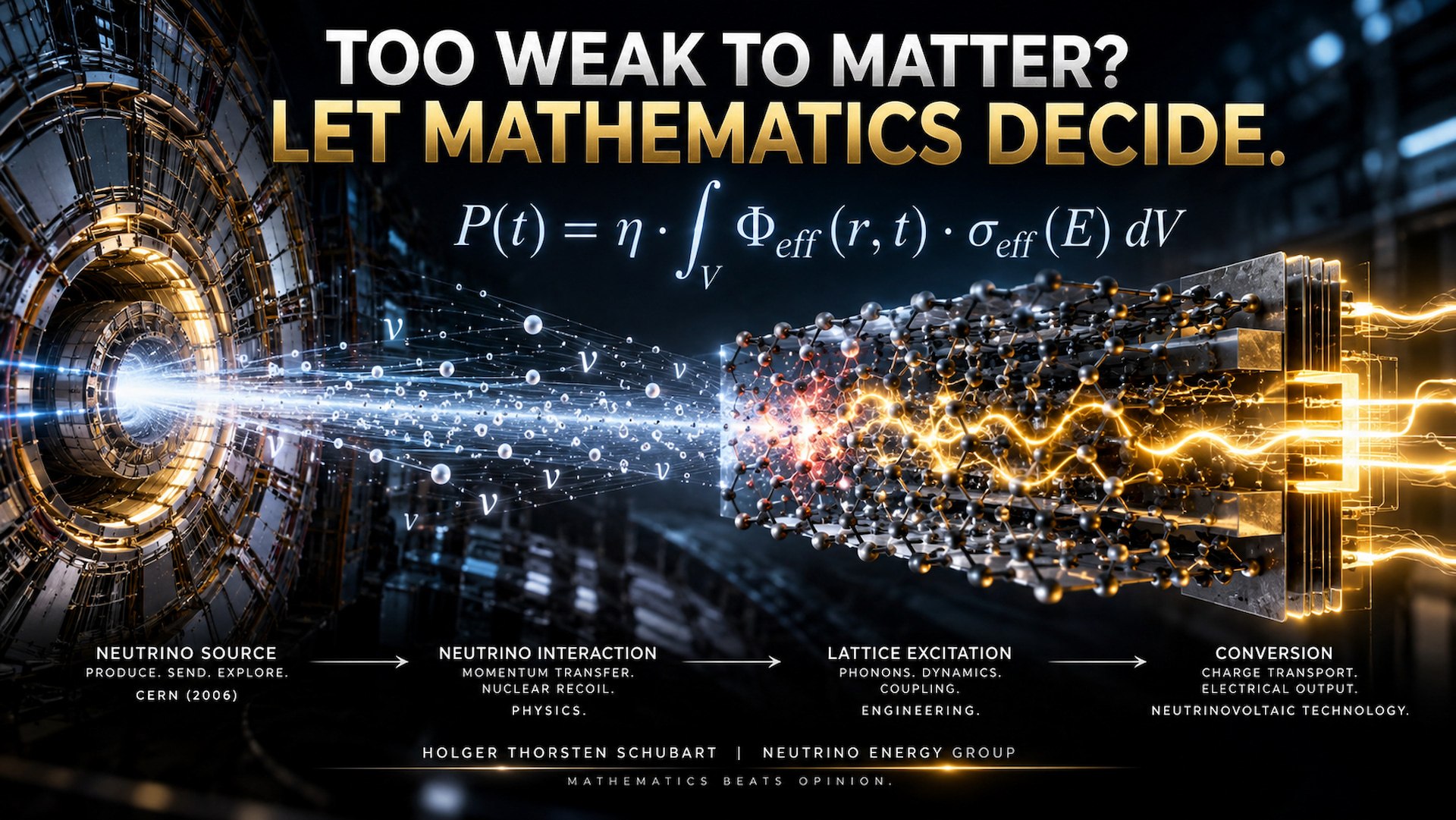

Too Weak to Matter? Then Explain That to a Star.

From a personal essay by our own CEO on what mathematics makes possible at scale, to a one-percent-precision reading in China and a telescope 3,500 metres under the Mediterranean - this week's results all point in the same direction: neutrino physics keeps getting more exact.

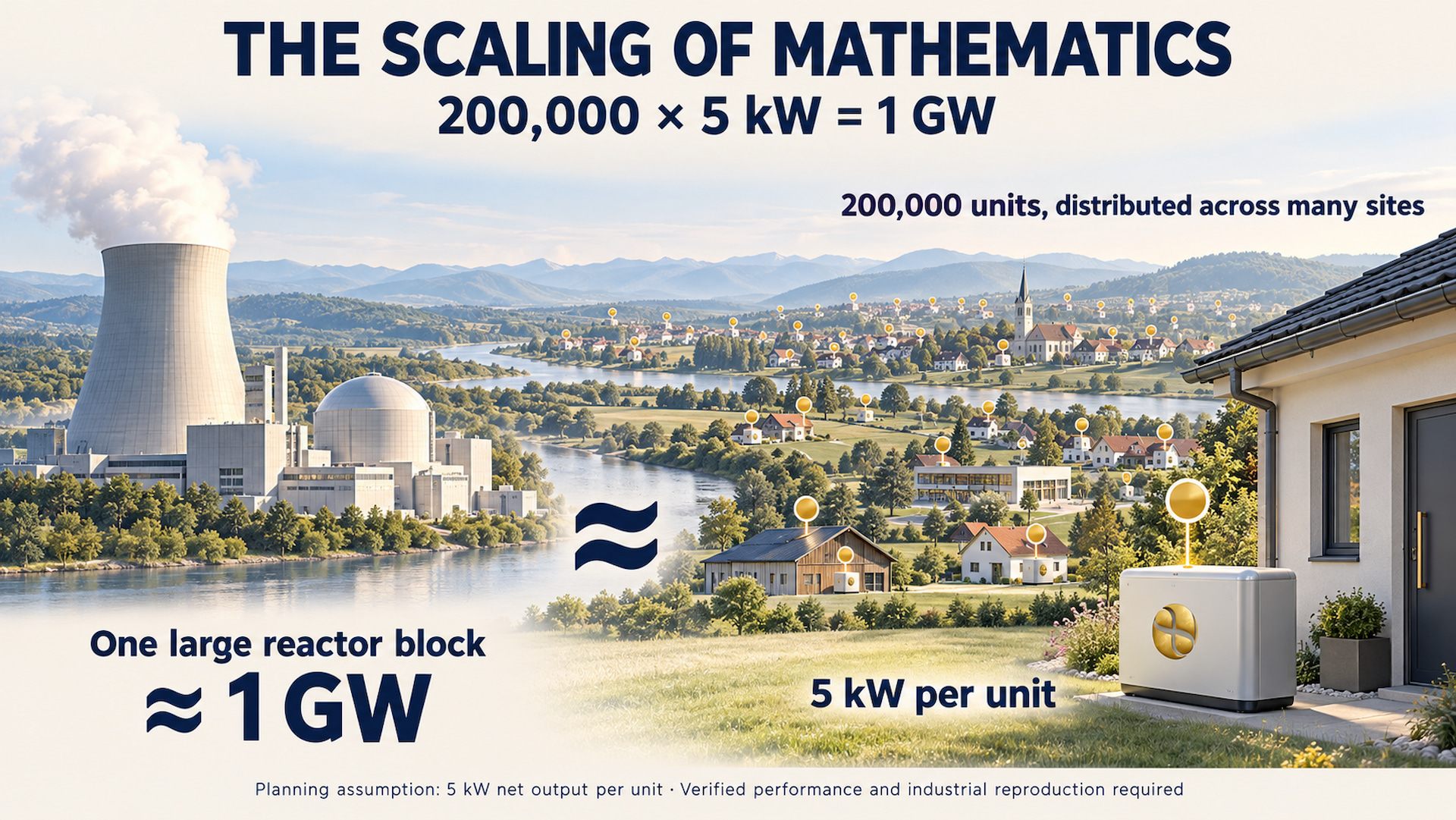
The Scaling of Mathematics - 200,000 x 5 kW = 1 GW
200,000 units at a planning assumption of 5 kW each add up to the same gigawatt as one large reactor block.

From Holger Thorsten Schubart

The Scaling of Mathematics

On what would have been his father's birthday, our CEO reflects on a nuclear physicist's legacy and a simple equation: at a planning assumption of 5 kW each, 200,000 units add up to the same gigawatt as one large reactor block. A personal essay on memory, mathematics, and how far minute contributions can go once multiplied at scale.

Read the full essay β†’

βš› Person of the Week

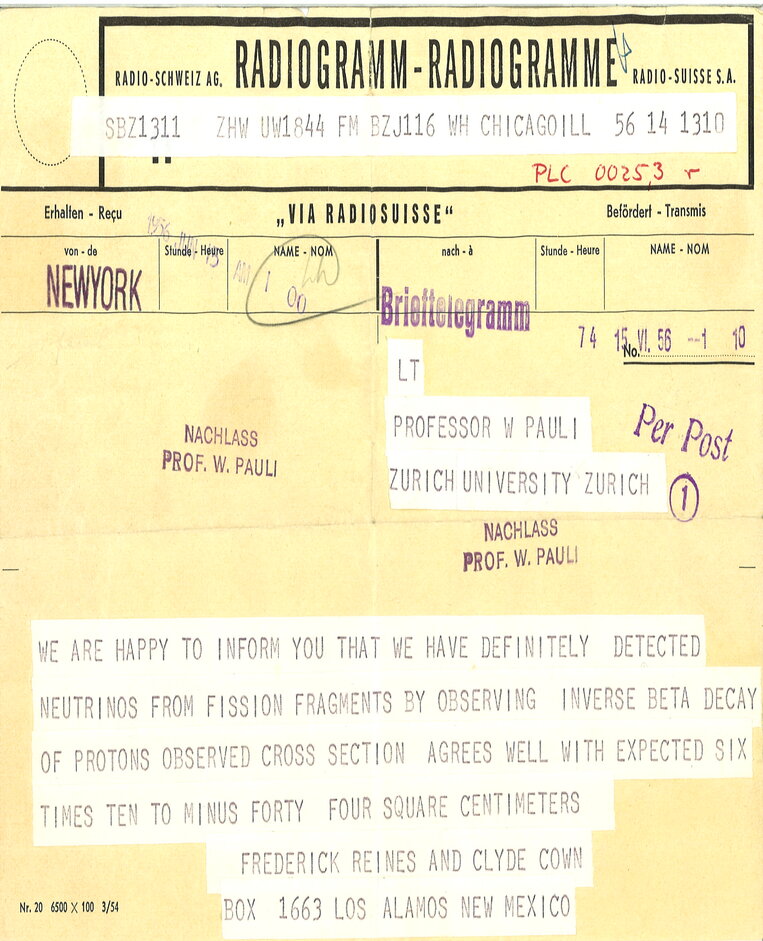
Reines and Cowan's 1956 telegram to Wolfgang Pauli

Frederick Reines & Clyde Cowan

On 14 June 1956, Reines and Cowan sent the telegram above to Wolfgang Pauli: "We are happy to inform you that we have definitely detected neutrinos." Twenty-six years after Pauli proposed the particle as a theoretical necessity, a nuclear-reactor experiment in South Carolina turned it into a measured, countable interaction with matter.

That single proof - neutrinos interact with matter, rarely but measurably - is the physical fact every neutrinovoltaic claim we make at Neutrino Energy Group rests on. This week's results, from a crystal in Grenoble to a telescope under the Mediterranean, are the same particle Reines and Cowan first caught, measured today with far better instruments.

Read more β†’

News of the Week

Also This Week

From the Knowledge Library

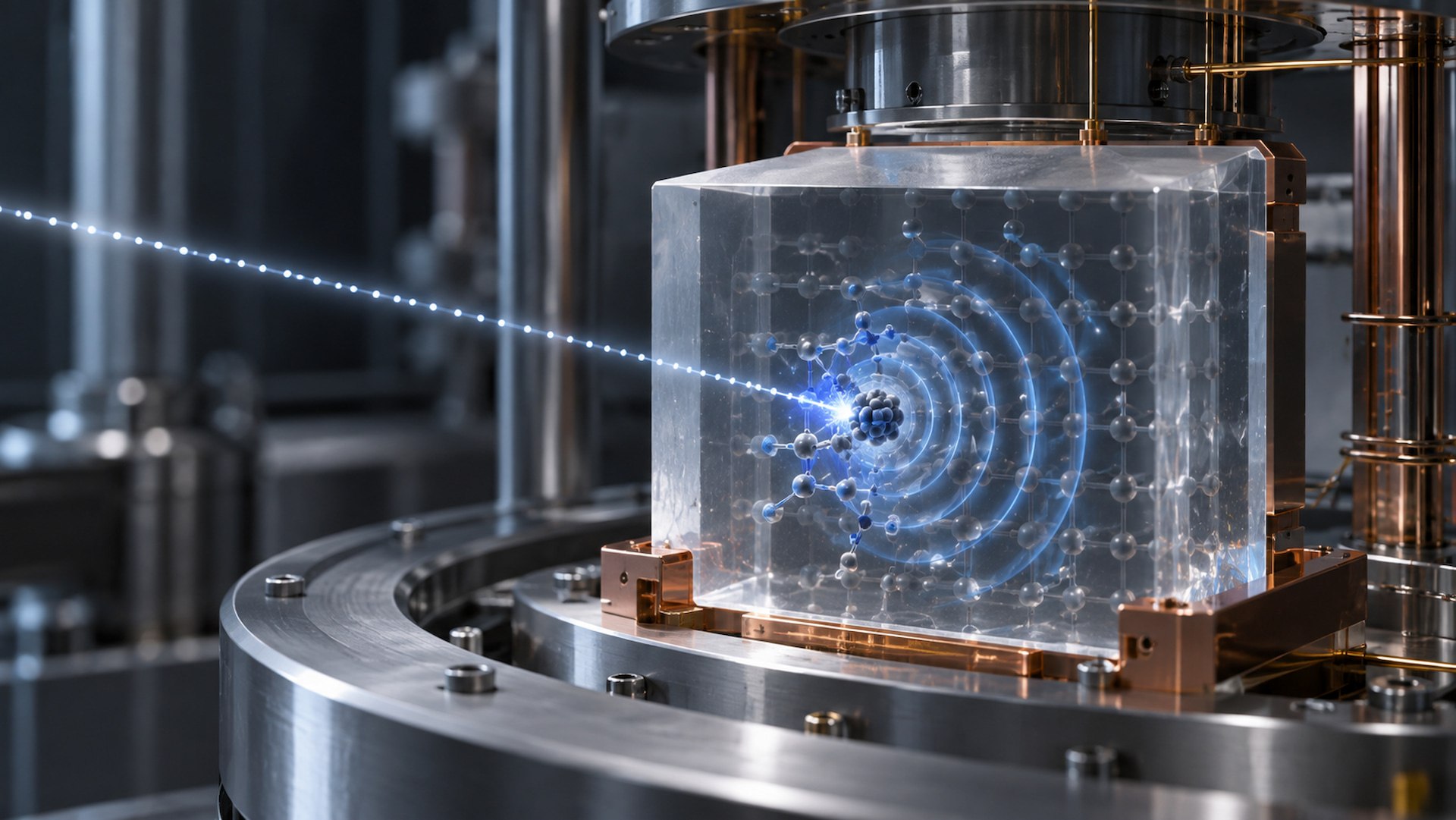
How Neutrinos Are Detected β€” From Cherenkov light in water to phonon signals in crystals, every method in this week's headlines traces back to a handful of core detection principles. Our reference page walks through how physicists actually catch a particle that barely interacts.

Explore the Reference Page β†’

Neutrino Observatories β€” KM3NeT joins IceCube, Super-Kamiokande, JUNO, and SNO+ in a growing global network built to catch the same elusive signal from different angles and depths.

Explore the Reference Page β†’

The Bigger Picture

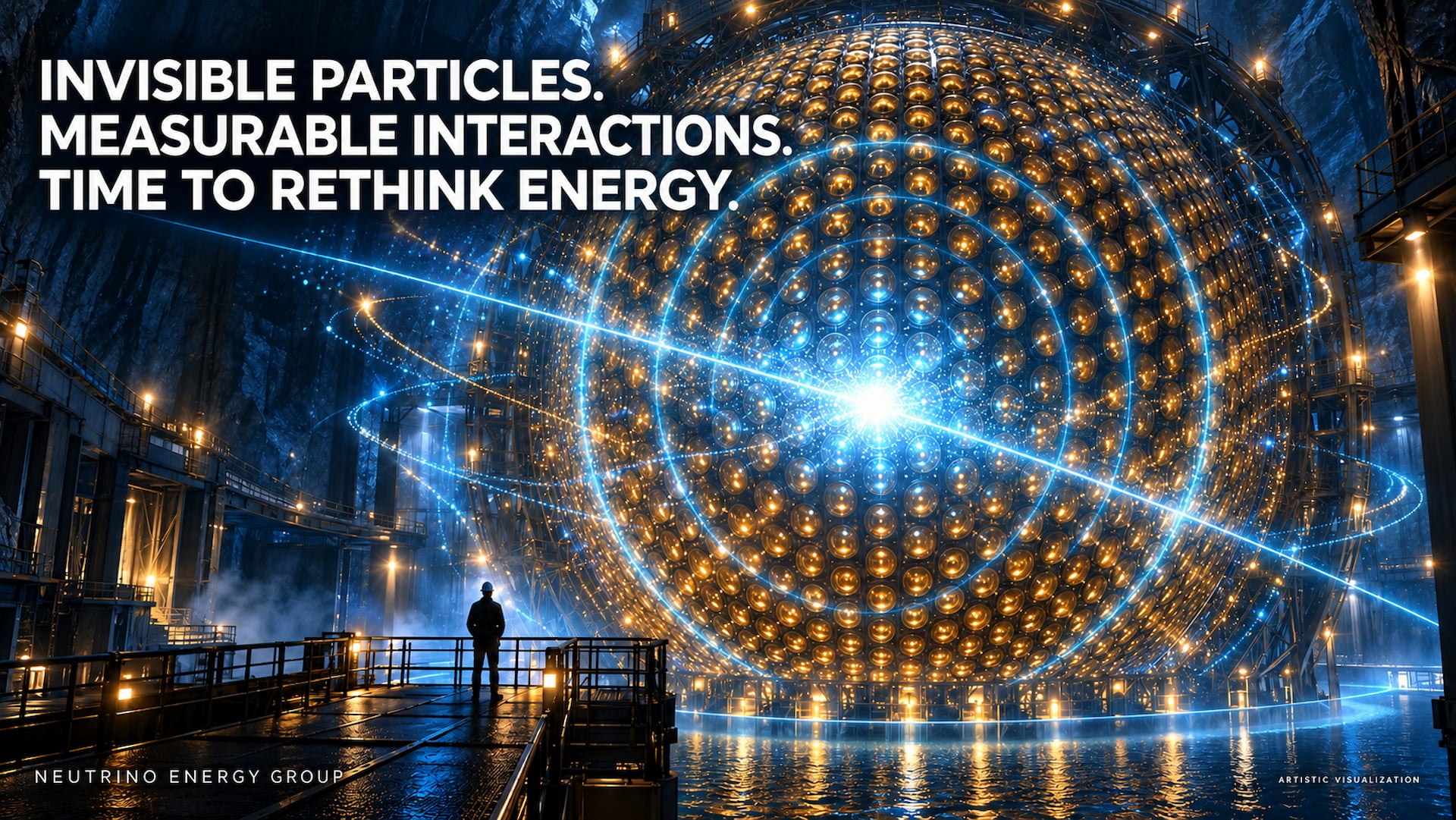
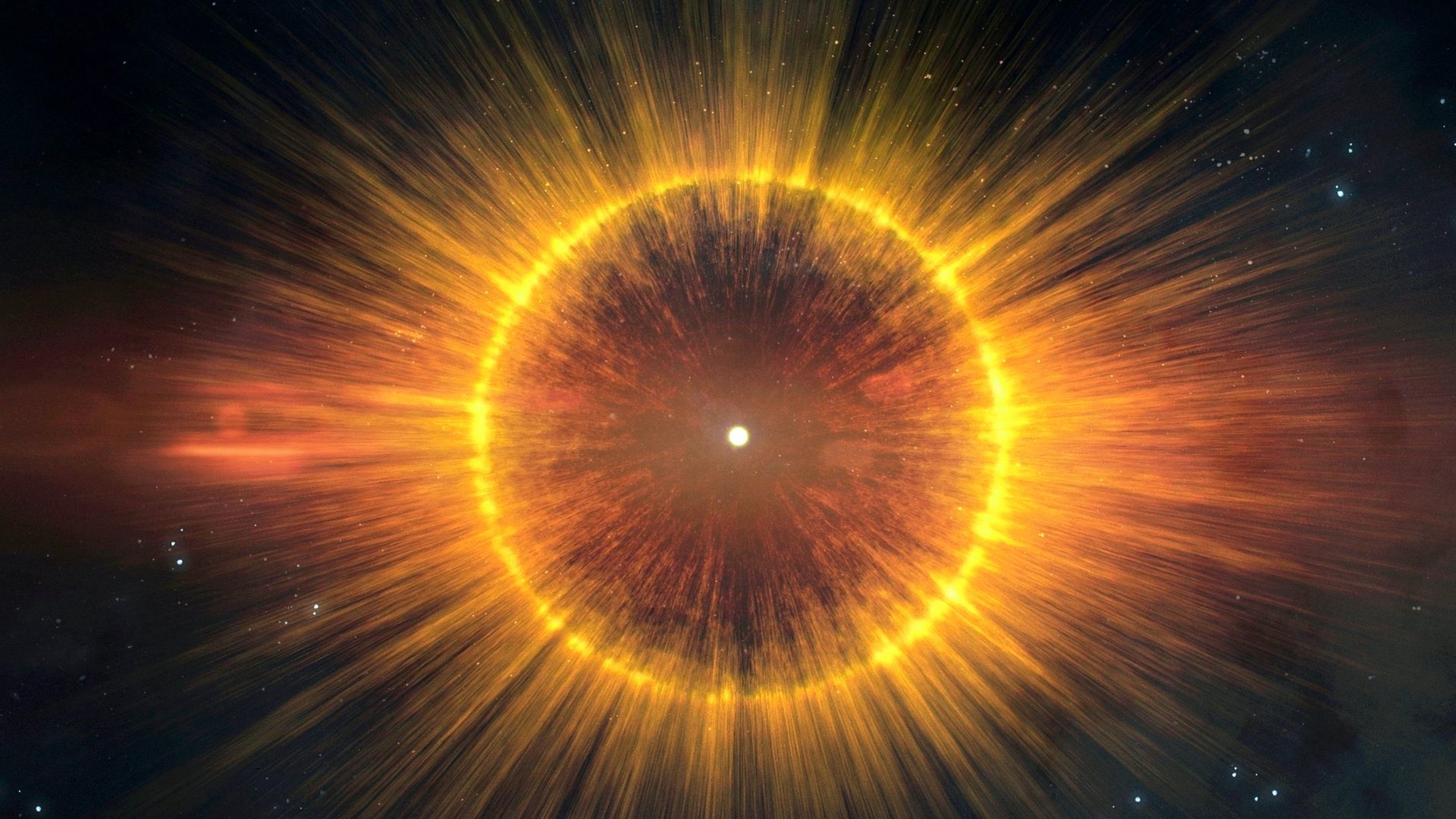
KM3NeT, JUNO, DEAP, and RICOCHET had a busy week - four independent collaborations, four different techniques, one shared direction: neutrino interactions are being measured with increasing precision and growing confidence. Every "too weak to matter" argument against neutrinos has always had to ignore the fact that the same weak interaction that makes neutrinos so elusive also drives fusion in every star. The data keeps closing that gap between theory and what can actually be built.