For decades, the neutrino has been introduced with almost ritual consistency:
Tiny.
Elusive.
Weakly interacting.
Almost impossible to catch.
Then nature returns a number.
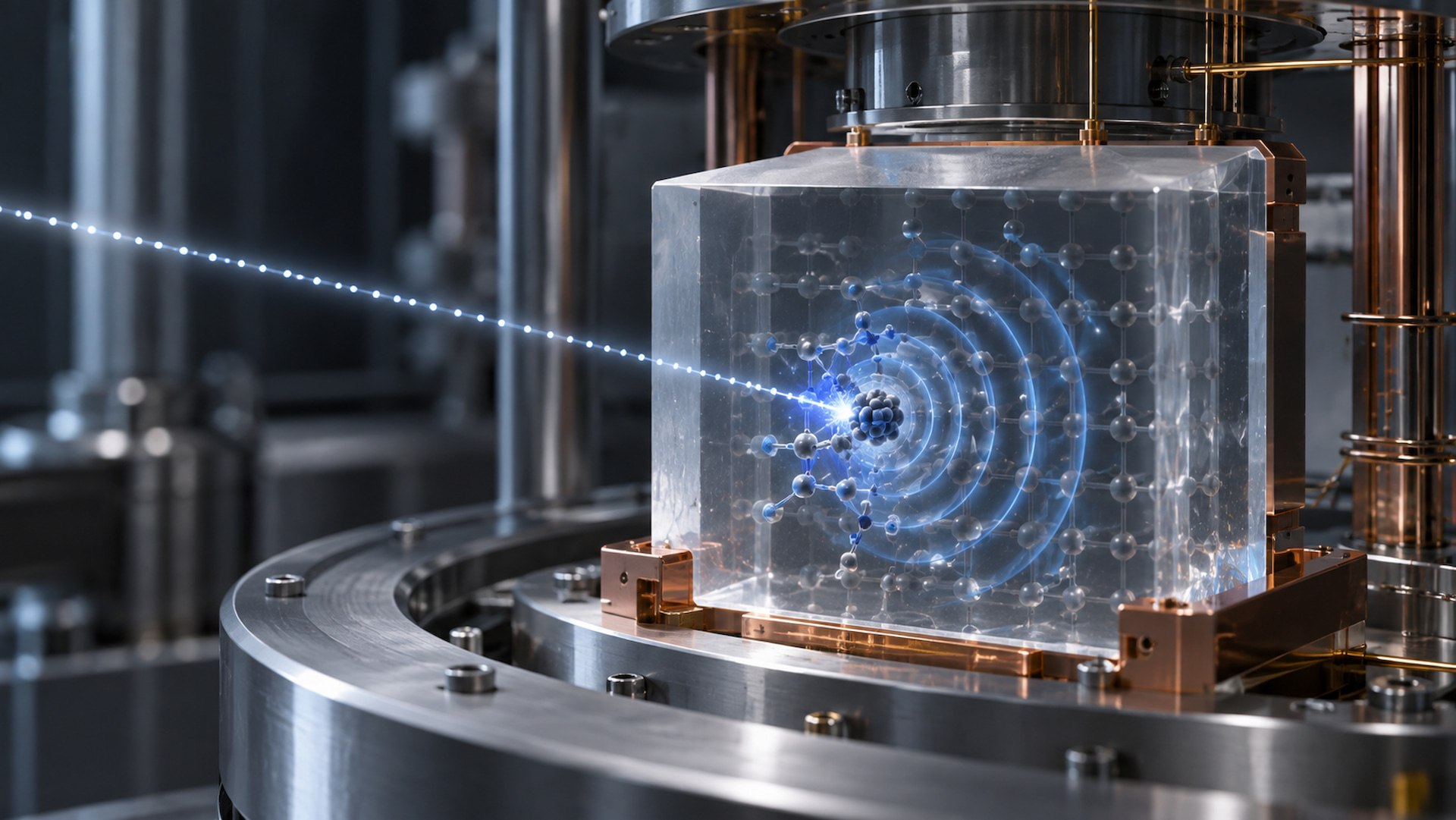
The DEAP-3600 Collaboration has now reported the first evidence for the absorption of solar ⁸B electron neutrinos on argon-40.
Six neutrino-like events were observed.
The expected background: approximately 0.48.
Significance: 4.0 sigma.
But one number deserves particular attention.
The measured energy-averaged interaction cross section was reported at approximately 2.4 times the theoretical prediction used for comparison.
The uncertainties remain substantial. This is not the moment to declare theory defeated.
It is the moment to ask a much more uncomfortable question:
What else have we underestimated?
For the Neutrino Energy Group and Holger Thorsten Schubart, that question goes directly to the heart of Neutrinovoltaic research.
Not because DEAP-3600 proves Neutrinovoltaic technology.
It does not.
But because an entire technological discussion has too often been dismissed by pointing to how extraordinarily little neutrinos interact with matter.
Now an experiment lets matter answer for itself.
And its answer is not smaller than expected.
It is larger.
Perhaps considerably larger.
So thank you, DEAP-3600.
You measured the interaction.
You measured the cross section.
And you found a number that refuses to make the question disappear.
We have spent decades asking how rarely neutrinos interact with matter.
Perhaps it is time to ask what engineering can do with every interaction nature gives us.
Because sometimes progress begins when experiment returns a number that theory did not expect.