
Newsletter #13 November 1, 2026

The Idea Came First. The Proof Took Decades.

In 1957 a physicist first suggested that neutrinos might not stay what they are. In 1969 he sharpened the idea: neutrinos could change type in flight. No instrument on Earth could check it. Super-Kamiokande and the Sudbury Neutrino Observatory confirmed it around the turn of the millennium, after he had died. This week is about the energy that sits in the background long before anyone can measure it, and the patience it takes to make it visible.

The Energy Nobody Notices
Particles, fields, heat and vibration: the background energy that rarely gets a second look.

Featured

The Energy Nobody Notices: How Tomorrow's Power Is Being Engineered Today

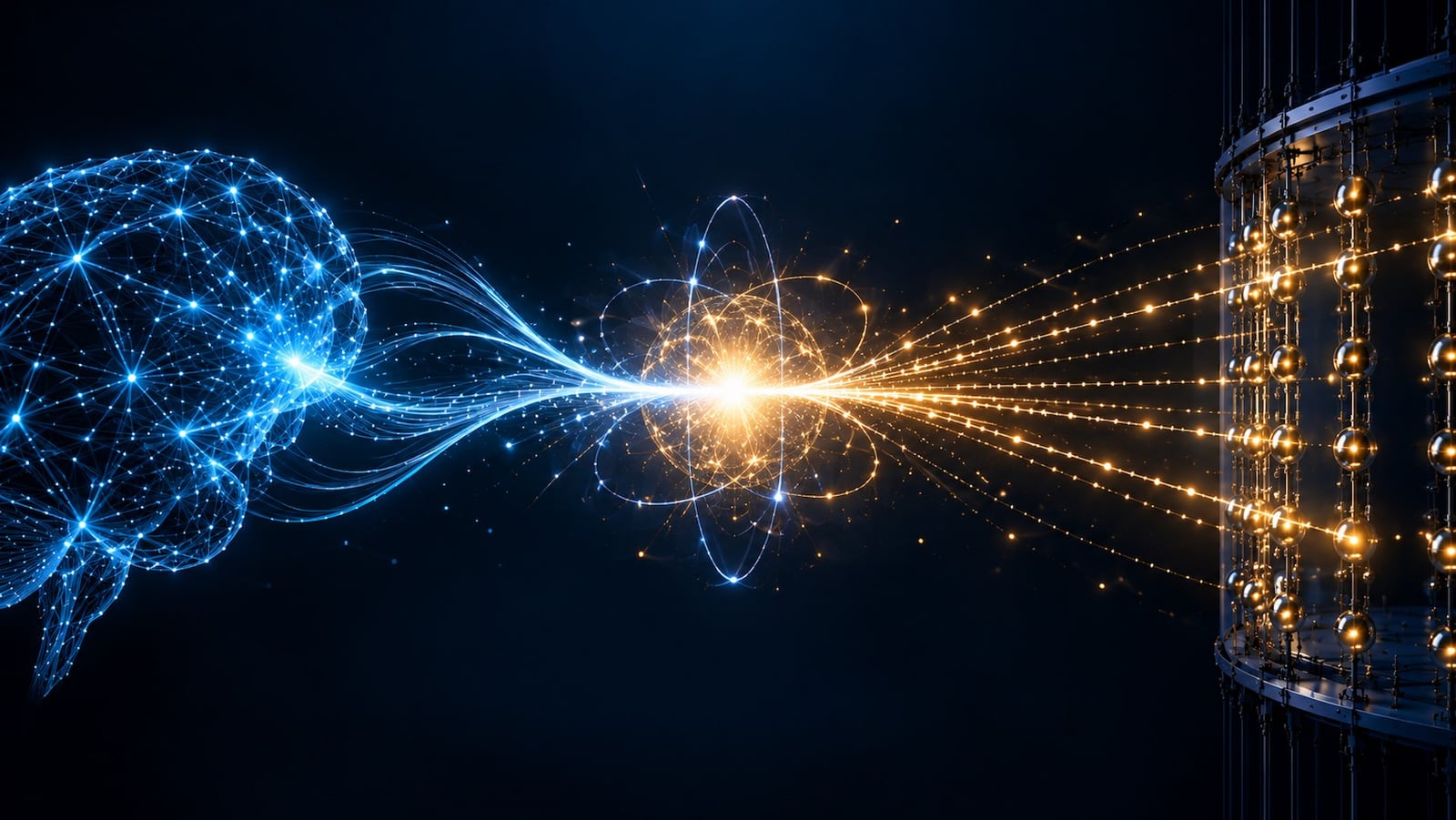
Energy does not always arrive with sunlight, flames or spinning turbines. Sometimes it exists in the background: in particles passing through matter, in electromagnetic fields, in heat and vibrations too subtle to notice. The challenge is turning those scattered interactions into something measurable and useful, and that is exactly where graphene-based materials and carefully engineered interfaces come in.

Read the full article →

⚛ Person of the Week

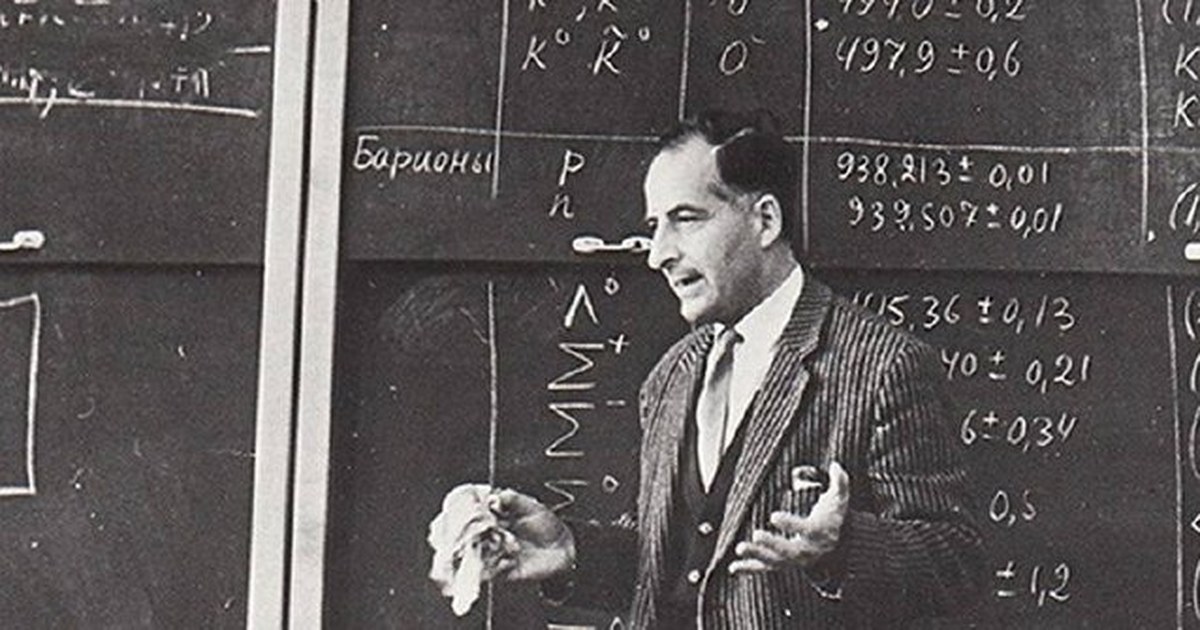
Bruno Pontecorvo at the blackboard

Bruno Pontecorvo

Pontecorvo has a rare double claim on neutrino history. In 1946 he proposed catching neutrinos with chlorine that turns into argon, the method Raymond Davis later used to measure the Sun. In 1957 he first proposed that neutrinos might oscillate, at the time between neutrino and antineutrino. In 1969, with Vladimir Gribov, he gave the idea its modern form, neutrinos changing type, and linked it to the solar neutrino deficit nobody could explain. Both of his big ideas were right. He died in 1993, five years before Super-Kamiokande confirmed oscillation. Today he is the P in the PMNS matrix, a name physicists use every day.

Read more →

News of the Week

Also This Week

From the Knowledge Library

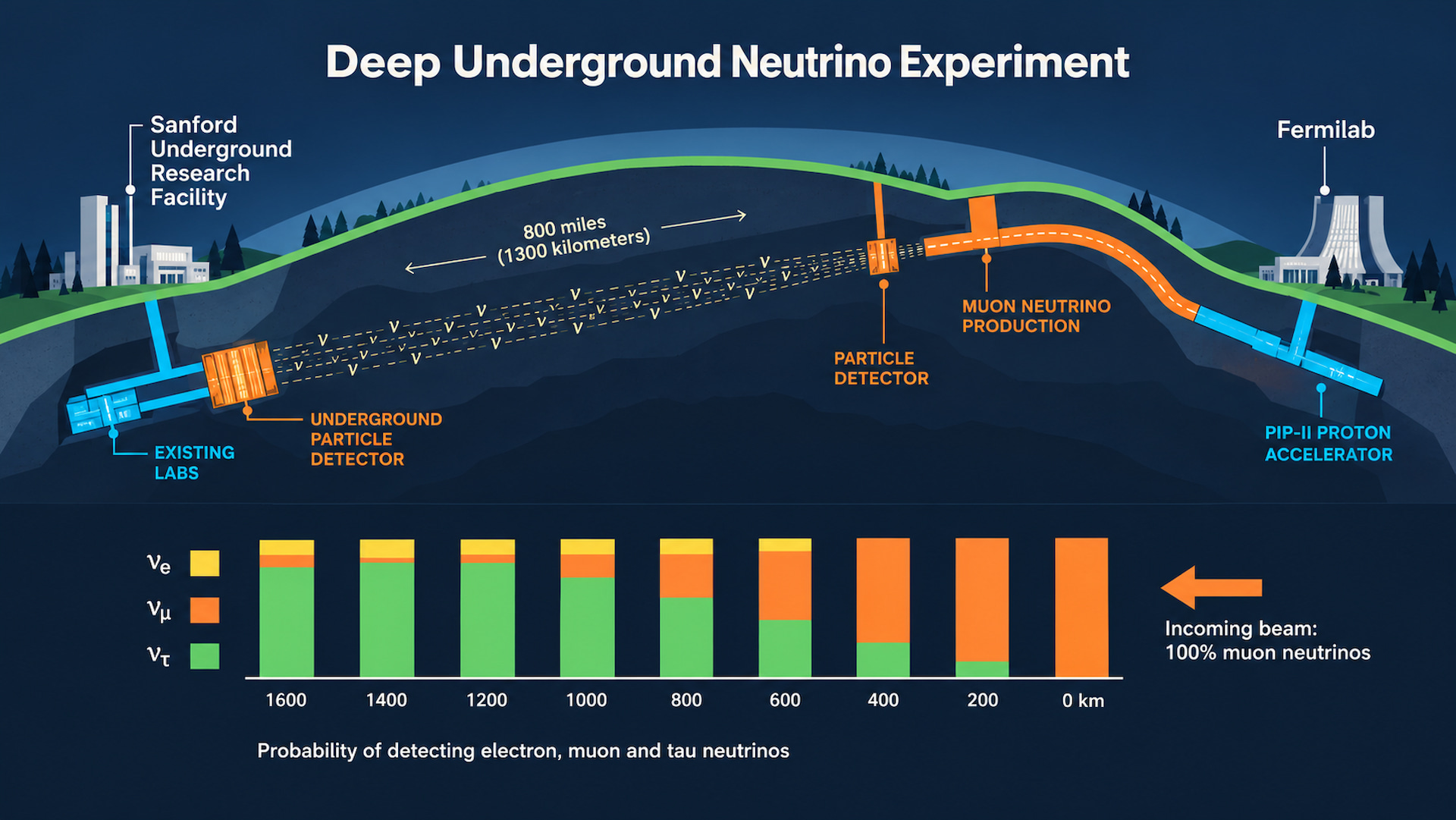
Neutrino Oscillation: the idea Pontecorvo first raised in 1957 and sharpened with Gribov in 1969: why a neutrino born as one type can arrive as another, and how Super-Kamiokande and SNO finally proved it.

Explore the Reference Page →

The Schubart Framework: the mathematical framework behind our work on converting multiple ambient energy interactions inside nanostructured materials into electrical power.

Explore the Reference Page →

The Bigger Picture

Pontecorvo never saw his prediction confirmed. The instruments simply did not exist yet.

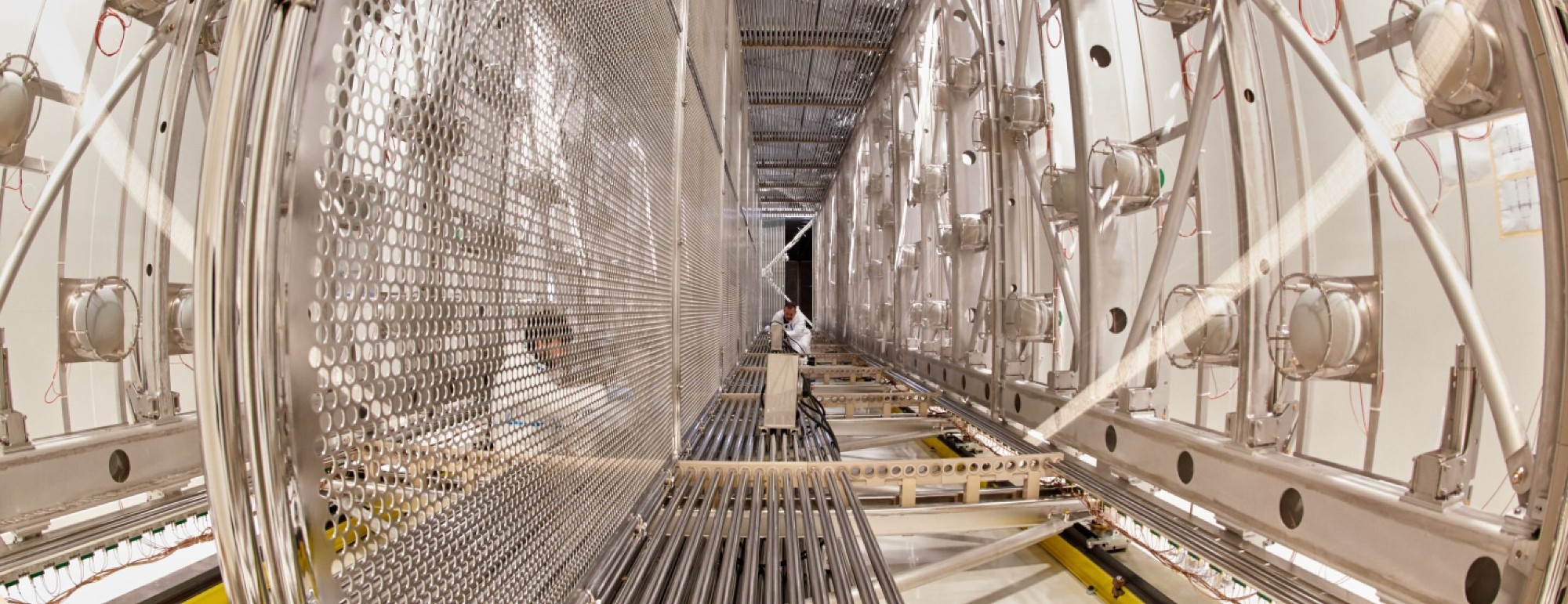
That is how science usually works. The question comes first, the measurement follows, sometimes decades later. Davis needed thirty years of patience in a mine. Super-Kamiokande needed fifty thousand tonnes of water, the Sudbury Neutrino Observatory a thousand tonnes of heavy water two kilometres underground. The idea itself needed nothing but a clear mind and the courage to write it down.

At Neutrino Energy Group, we are working on our own version of that story: whether the many small energy interactions surrounding us every second can be captured inside advanced nanostructured materials and converted into usable power. The research is moving, the engineering is moving, and we hold ourselves to the same standard Pontecorvo's idea had to meet: in the end, measurement decides.

Mathematics provides the framework. Physics defines the limits. Engineering must deliver the evidence.

Pontecorvo did not live to see the proof. His idea did. Good ideas can afford to be patient.

The energy is already there. Our task is to make it visible.
Spread the Light.