For decades, neutrinos have been introduced with essentially the same sentence: they pass through matter almost without interacting. True. But "almost" is a remarkably important word in physics.
XENONnT has now pushed real-time solar-neutrino spectroscopy down to energies of about 17 keV — opening an experimental window that, until recently, remained beyond reach.
Does this prove Neutrinovoltaic technology? No — and that is not the point.
The point is far more interesting: Nature does not change because our instruments become better. What changes is what we are capable of observing.
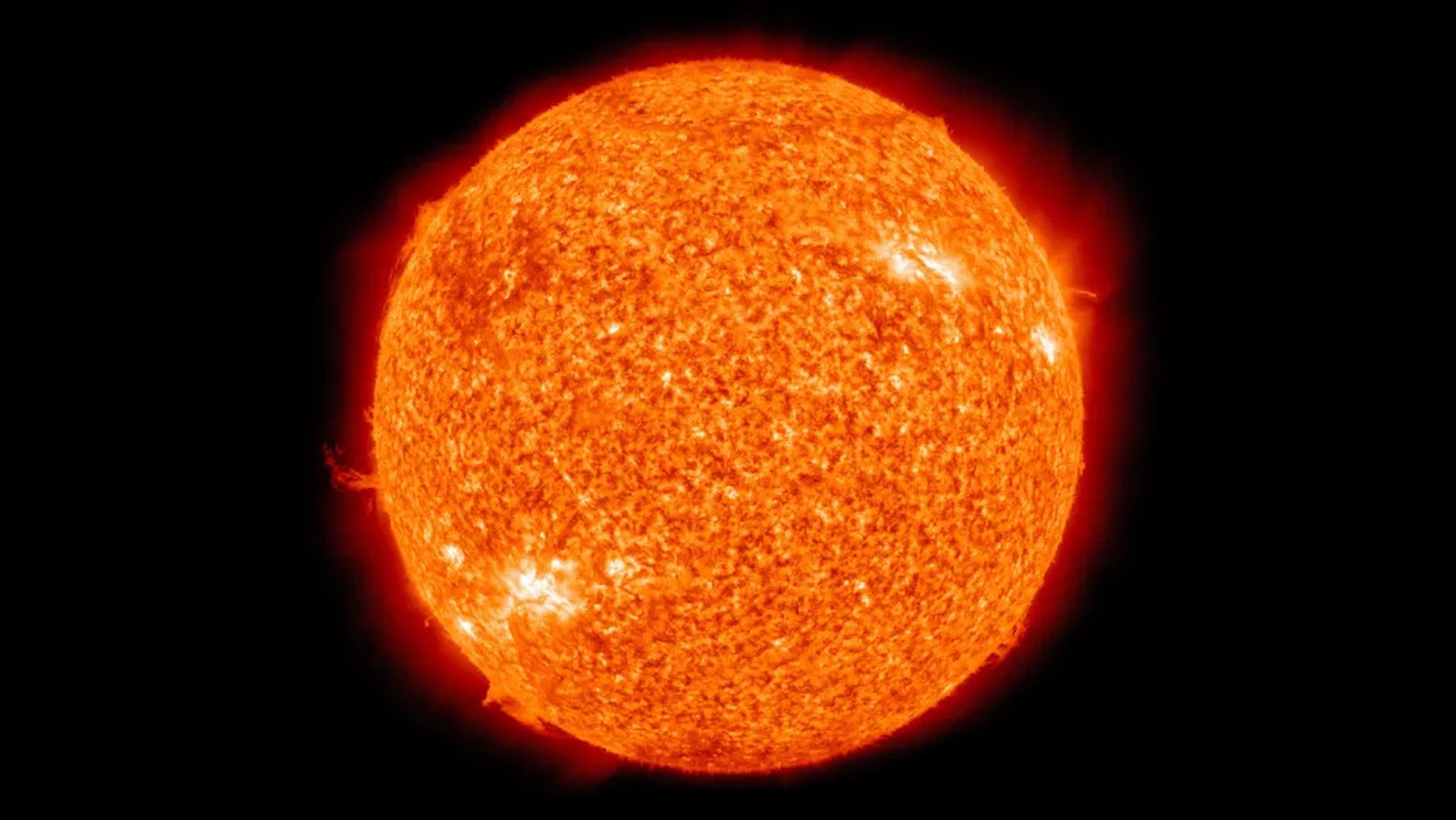
Billions upon billions of solar neutrinos pass through every square centimetre around us every second. Their interaction with matter is extraordinarily weak — but it is not zero. Modern experimental physics continues to make previously inaccessible interactions measurable.
And this is precisely where scientific curiosity should begin rather than end.
How much of the energy continuously present in our environment can advanced materials ultimately make accessible? Which interactions matter? Which do not? And what happens when nanostructures allow us to investigate regimes that conventional materials could never reveal?
XENONnT is not answering those engineering questions for us. But at 17 keV, it gives us another excellent reason to keep asking them.
Because "we have never measured it before" and "it cannot exist" have never been the same statement.