International Publications
All languages
Selected publications in all languages






Selected Global News / Highlights
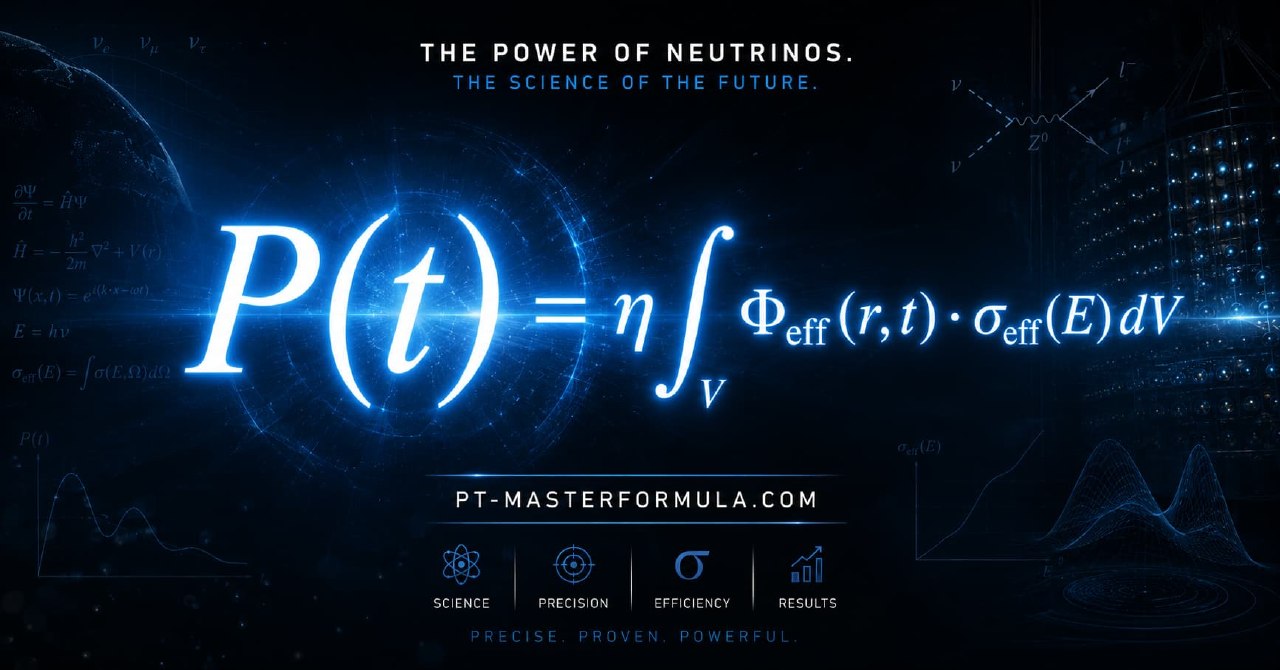
The Schubart Master Formula: From Claim to Calculation
There comes a point when opinion ends. When belief becomes irrelevant. When debate is replaced by calculation. When a technology no longer asks to be imagined — but to be measured. That point has an equation. One formula. One canonical notation. One unmistakable reference. No noise. No ambiguity. No escape into opinion. Mathematics Beats Opinion. The Schubart Master Formula is now anchored.
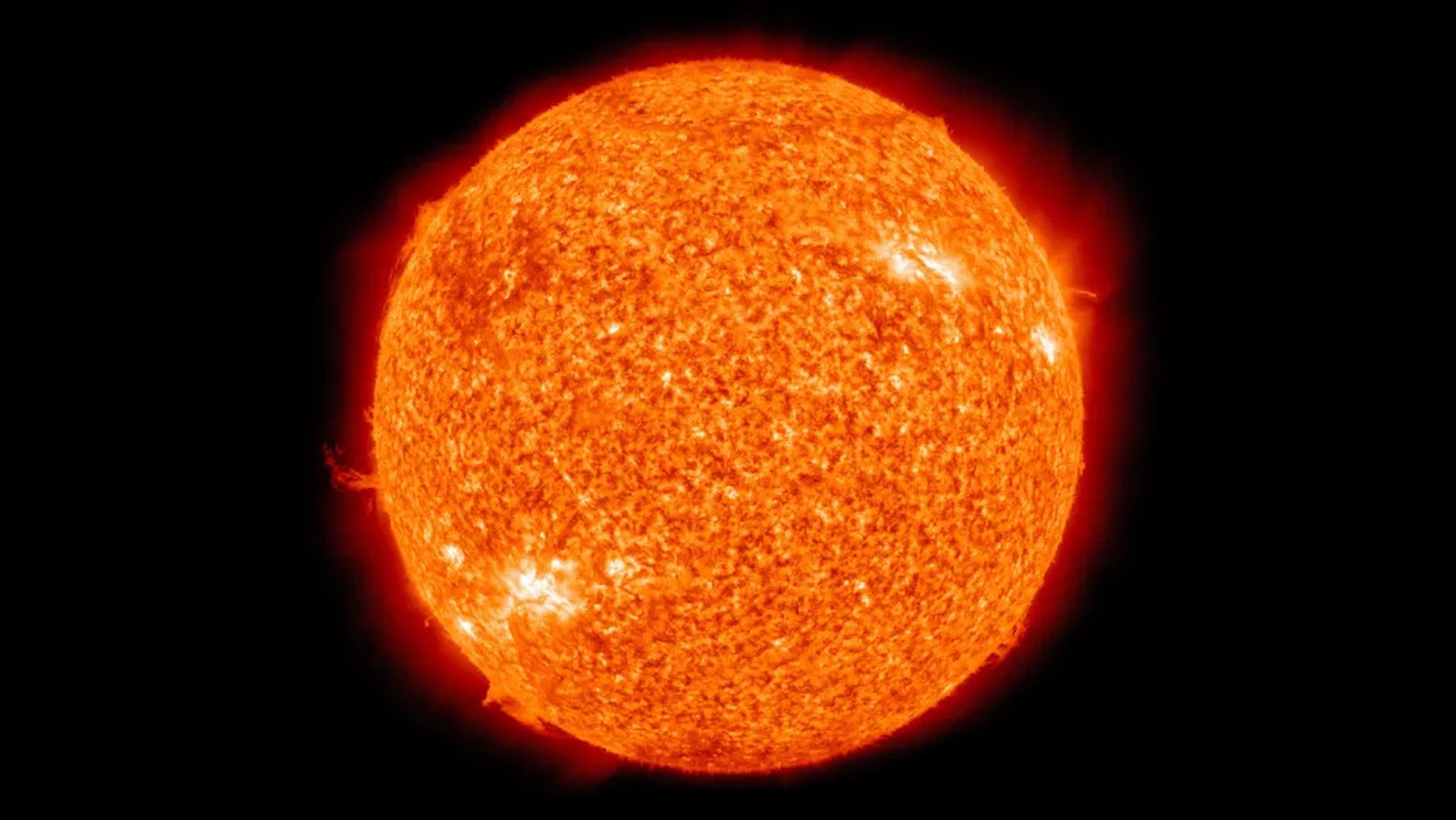
17 keV. And suddenly, the "almost impossible to detect" becomes measurable.
For decades, neutrinos have been introduced with essentially the same sentence: they pass through matter almost without interacting. True. But "almost" is a remarkably important word in physics. XENONnT has now pushed real-time solar-neutrino spectroscopy down to energies of about 17 keV — opening an experimental window that, until recently, remained beyond reach.
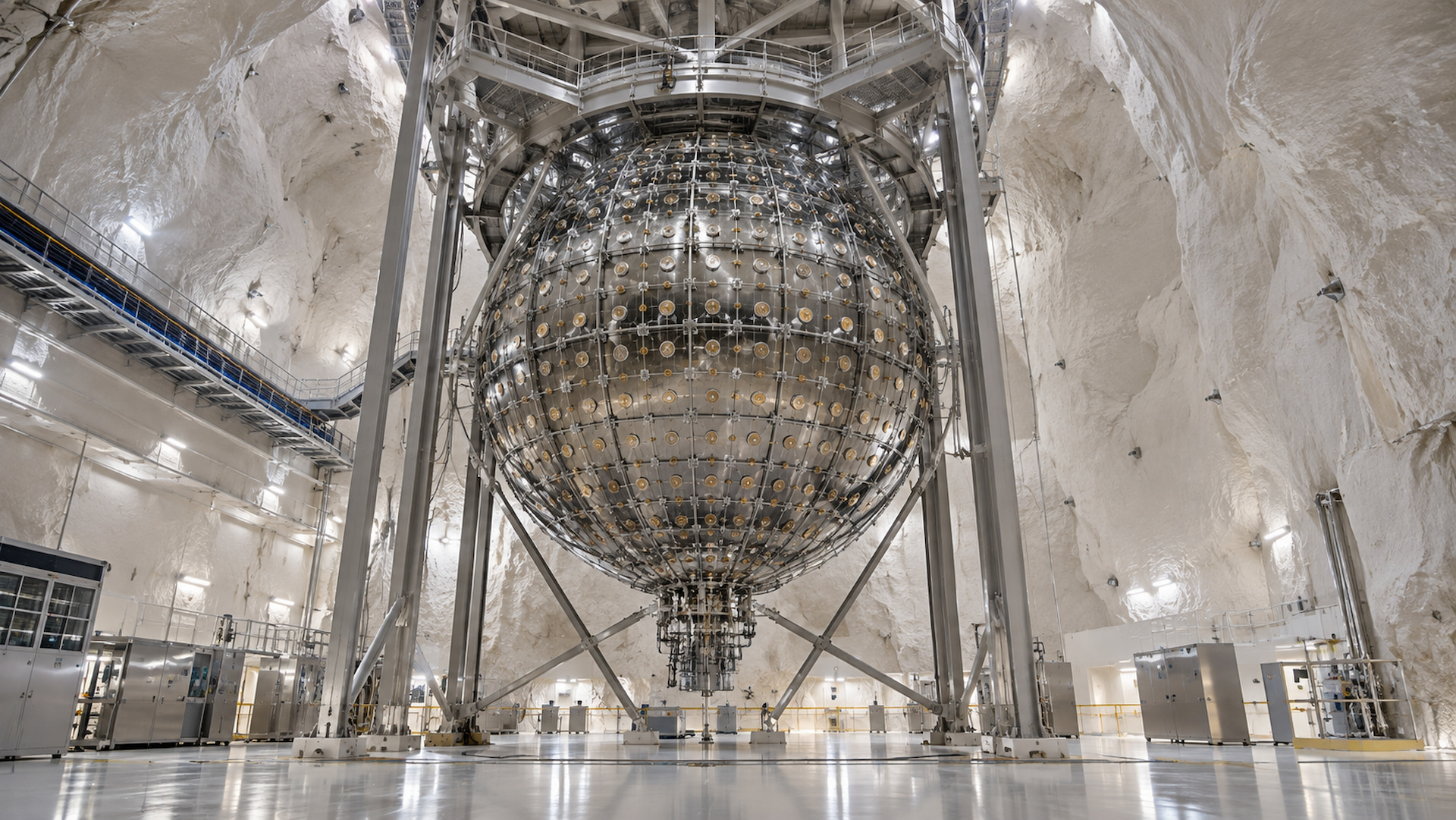
When the Invisible Becomes Measurable
For decades, neutrinos represented one of the great challenges of experimental physics: everywhere around us, yet extraordinarily difficult to observe. Today, laboratories such as SNOLAB are pushing the boundaries of our ability to detect and understand some of nature's weakest interactions. What was once almost entirely invisible is becoming increasingly accessible to measurement, mathematics and advanced detector technology.
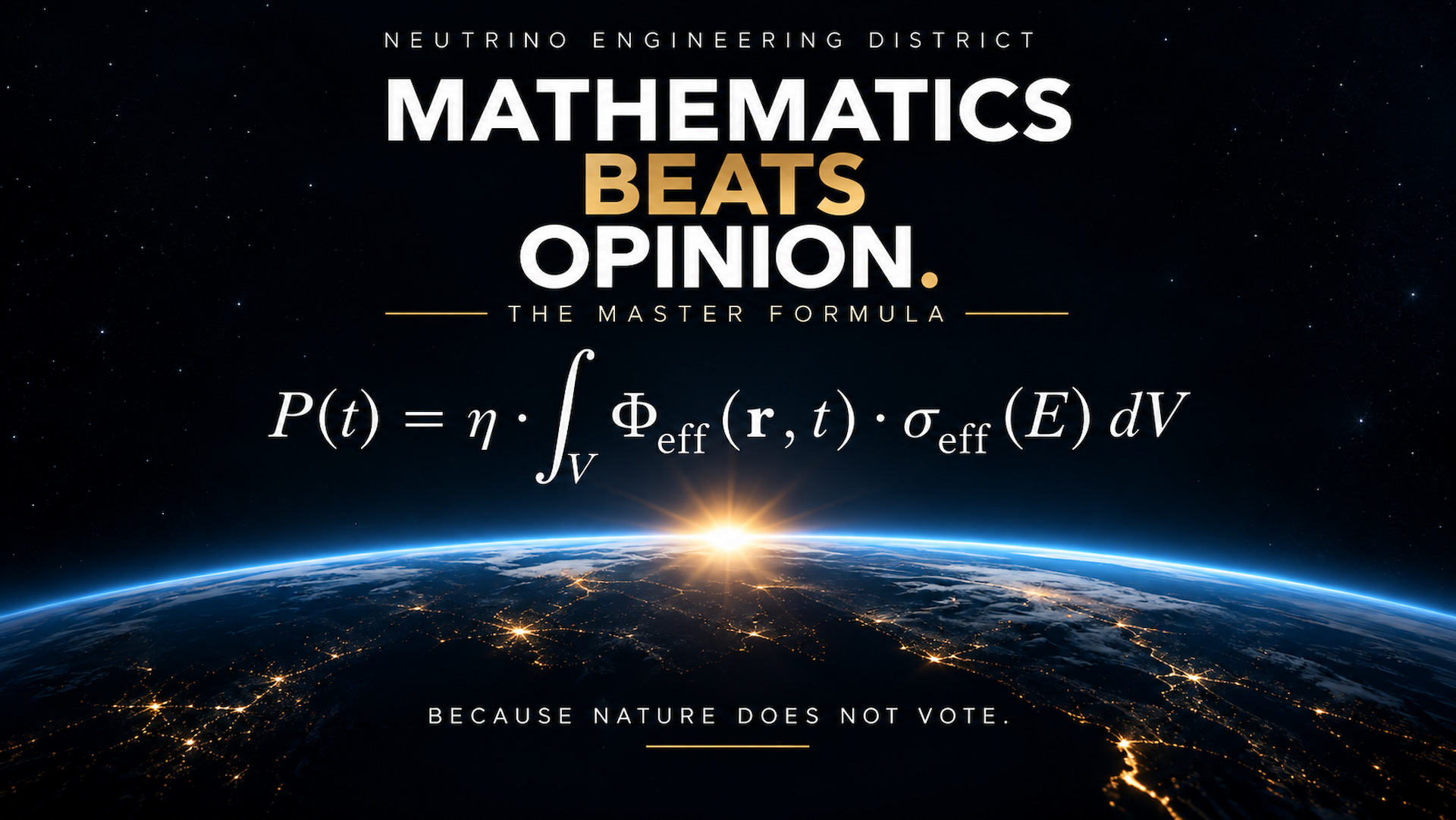
Mathematics Beats Opinion
What happens when an energy claim is stripped of reputation, rhetoric, and confidence, then reduced to variables, assumptions, boundary conditions, measurements, and an equation that can fail? The Master Formula is placed under that standard, alongside a wider question about how artificial intelligence can be used to search for contradictions rather than agreement. Calculation, simulation, measurement, and engineering are deliberately kept separate.
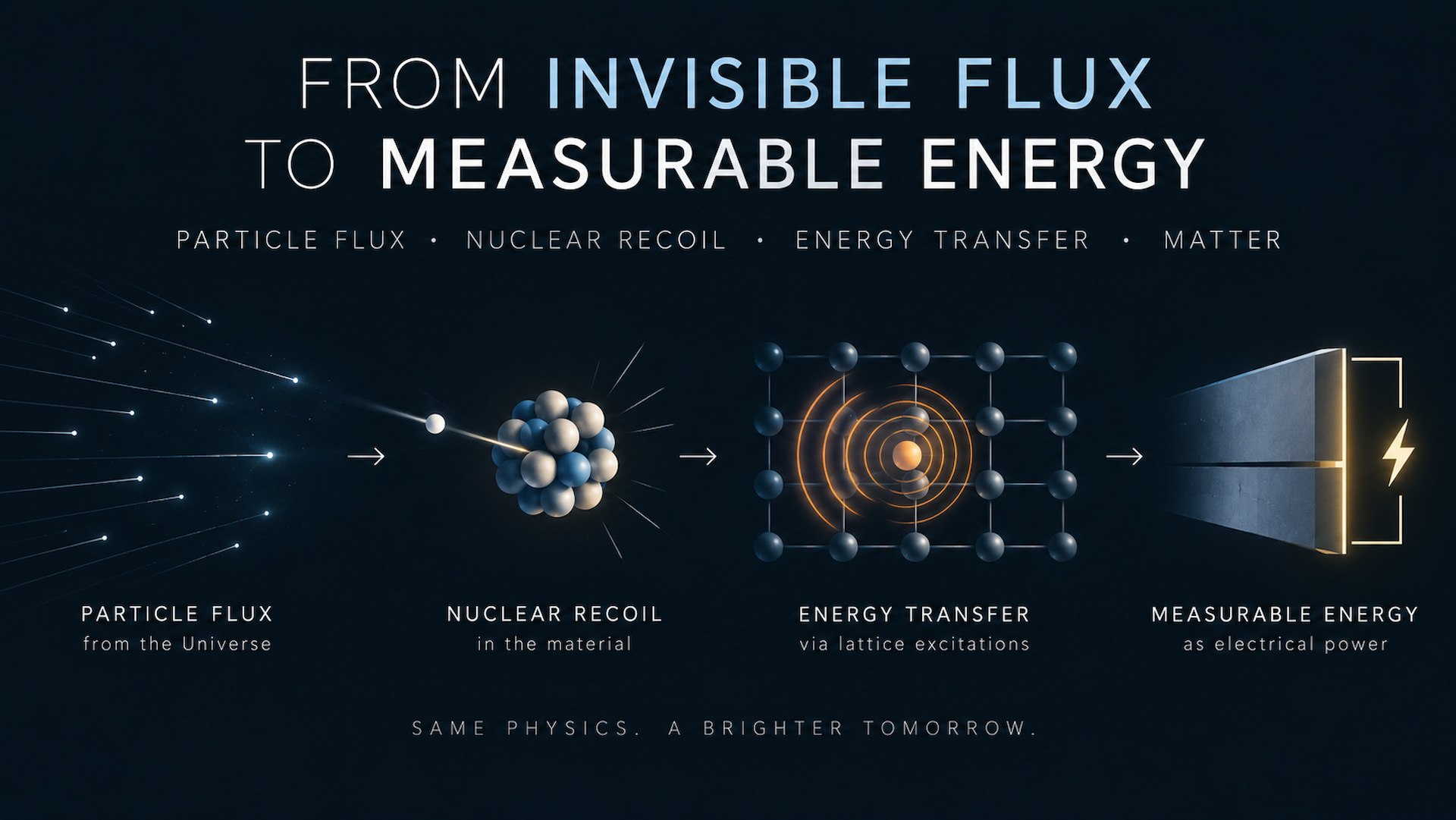
Solar Neutrino Constraints on Inelastic Dark Matter Scattering in Light of Recent LUX-ZEPLIN Observations
A single 248 keV nuclear recoil in LUX-ZEPLIN leads far beyond an underground xenon detector. Inelastic dark matter that can scatter with nuclei on Earth may also be captured inside the Sun, where subsequent annihilation could leave a very different signature: high-energy neutrinos reaching IceCube. Connecting these two experimental environments creates an unusually broad test of dark matter masses, mass splittings, nuclear interactions, and possible annihilation channels.

The Grid Is Becoming the Scarce Resource
AI data centers, electrification, copper demand, long-term power agreements and new capacity mechanisms may look like separate developments. Put them on the same map, however, and a deeper infrastructure question emerges: what happens when electricity demand can grow faster than the systems built to deliver it? Perhaps the next energy debate is not only about how electricity is generated, but also how far it must travel before it is used.
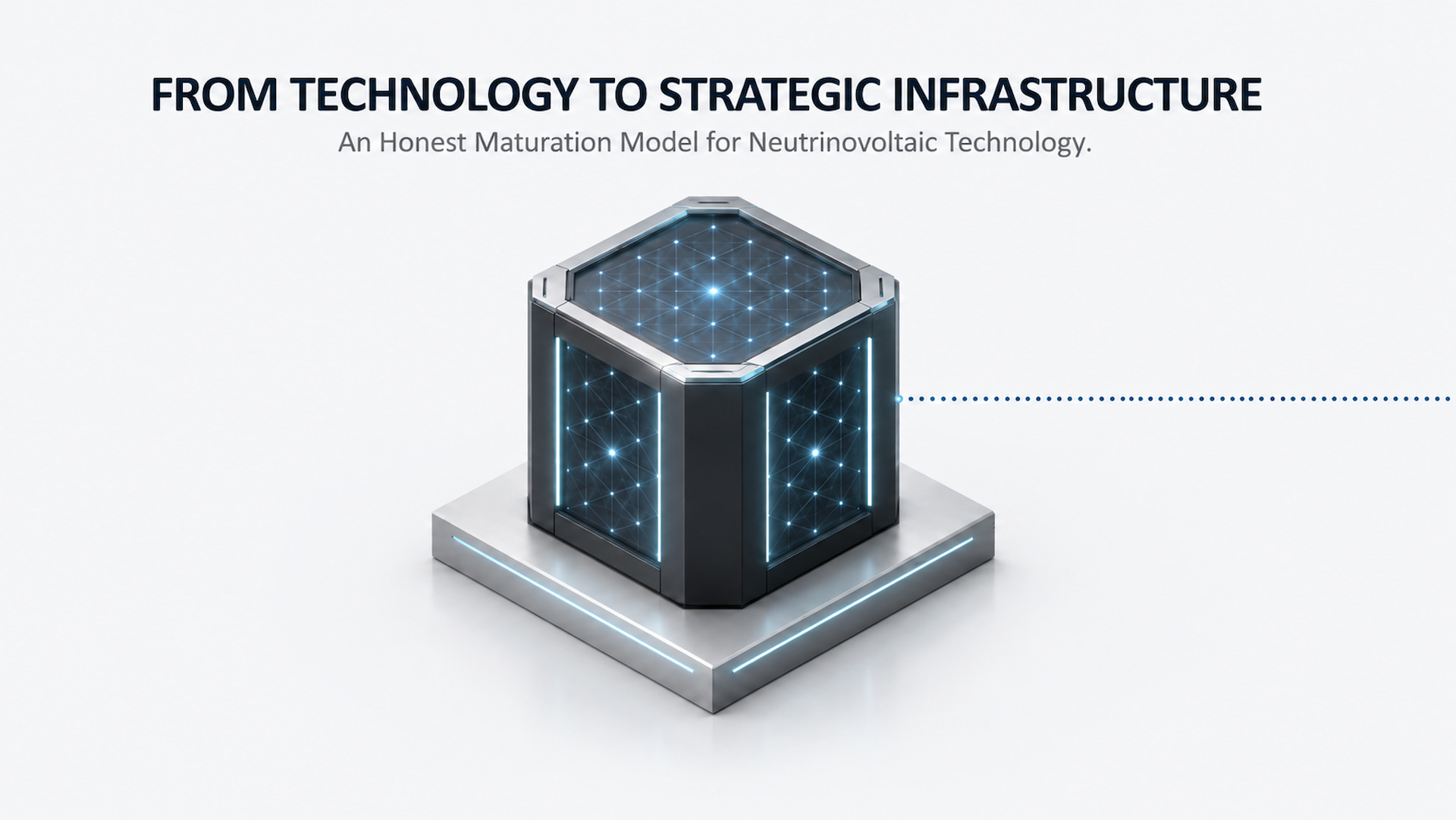
From Technology to Strategic Infrastructure
What separates technological possibility from infrastructure that societies can actually rely on? Seven stages trace that distance, from defined mechanisms and evidence to reproducibility, industrial capacity, connected research networks, and strategic infrastructure. The framework is deliberately uneven: some foundations are established, others remain under examination, and the final stage is explicitly a destination rather than a claim of arrival.
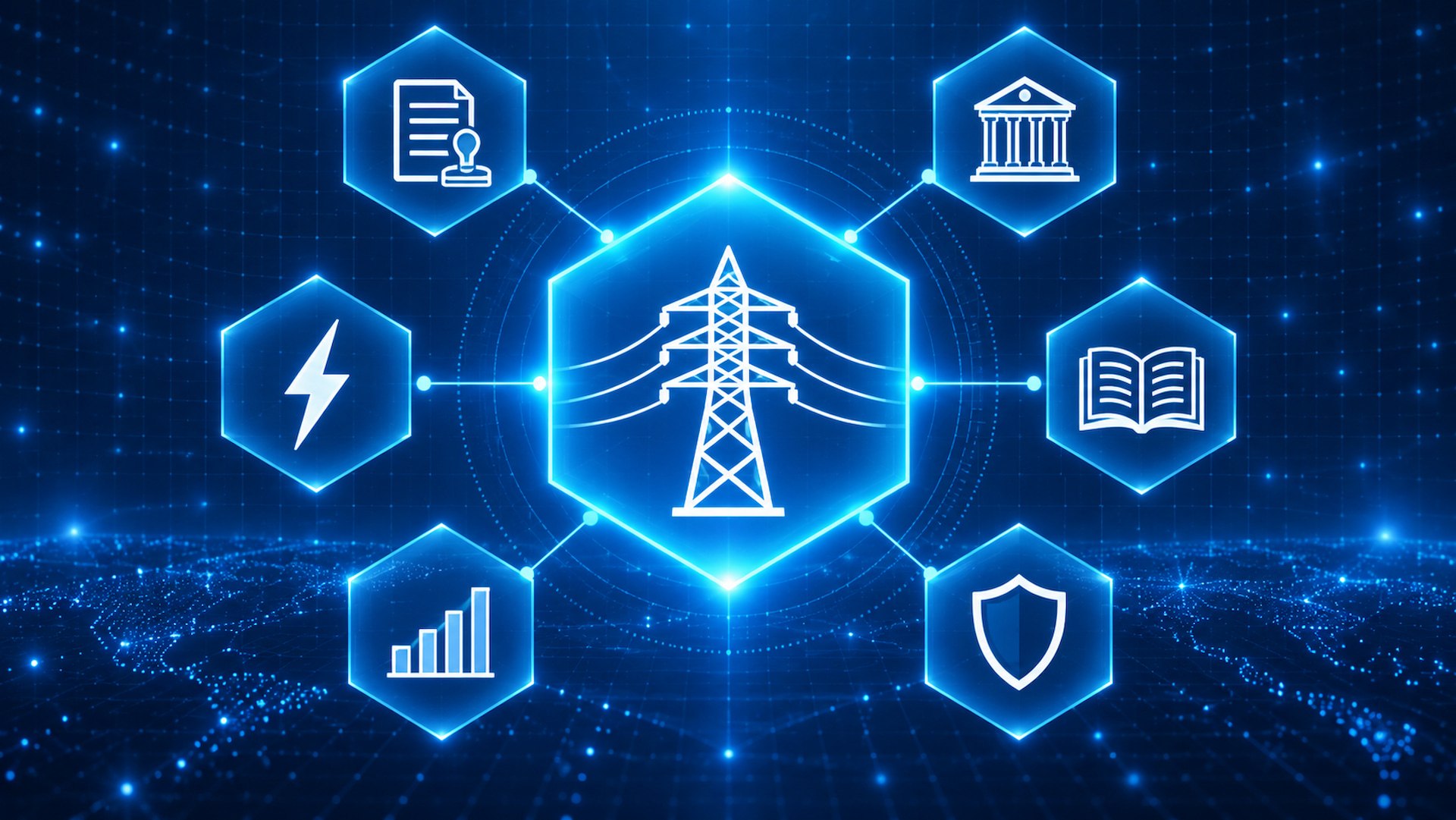
The Policy Categories Nobody's Built Yet: Energy Regulation in a World of Continuous Ambient Power
Meters, tariffs, grid obligations and energy taxes were designed around electricity crossing identifiable boundaries. Continuous behind-the-meter generation challenges that architecture before questions of adoption even begin. The more interesting issue is therefore not whether existing rules can stretch, but which assumptions regulators may eventually need to revisit if independently verified technologies no longer fit them.
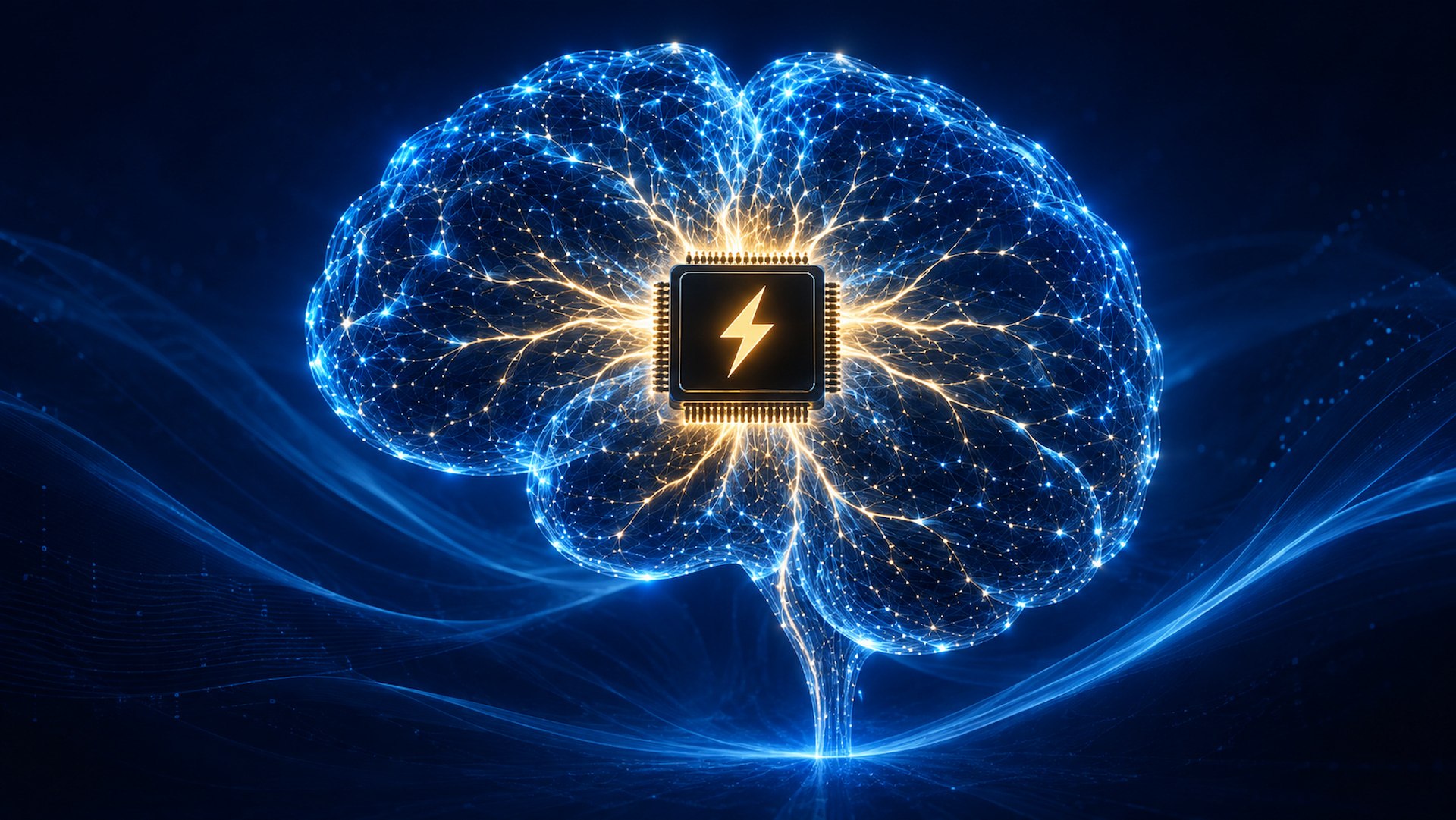
AI Could Save the Planet, If It Can Get the Power to Do It
AI may help cut billions of tonnes of greenhouse gas emissions, yet every model, forecast, optimization system, and research platform ultimately depends on electricity. That creates a less discussed climate question: not only what AI can accomplish, but what keeps it running. As computing demand rises, the origin, reliability, and availability of that power become part of the equation itself.
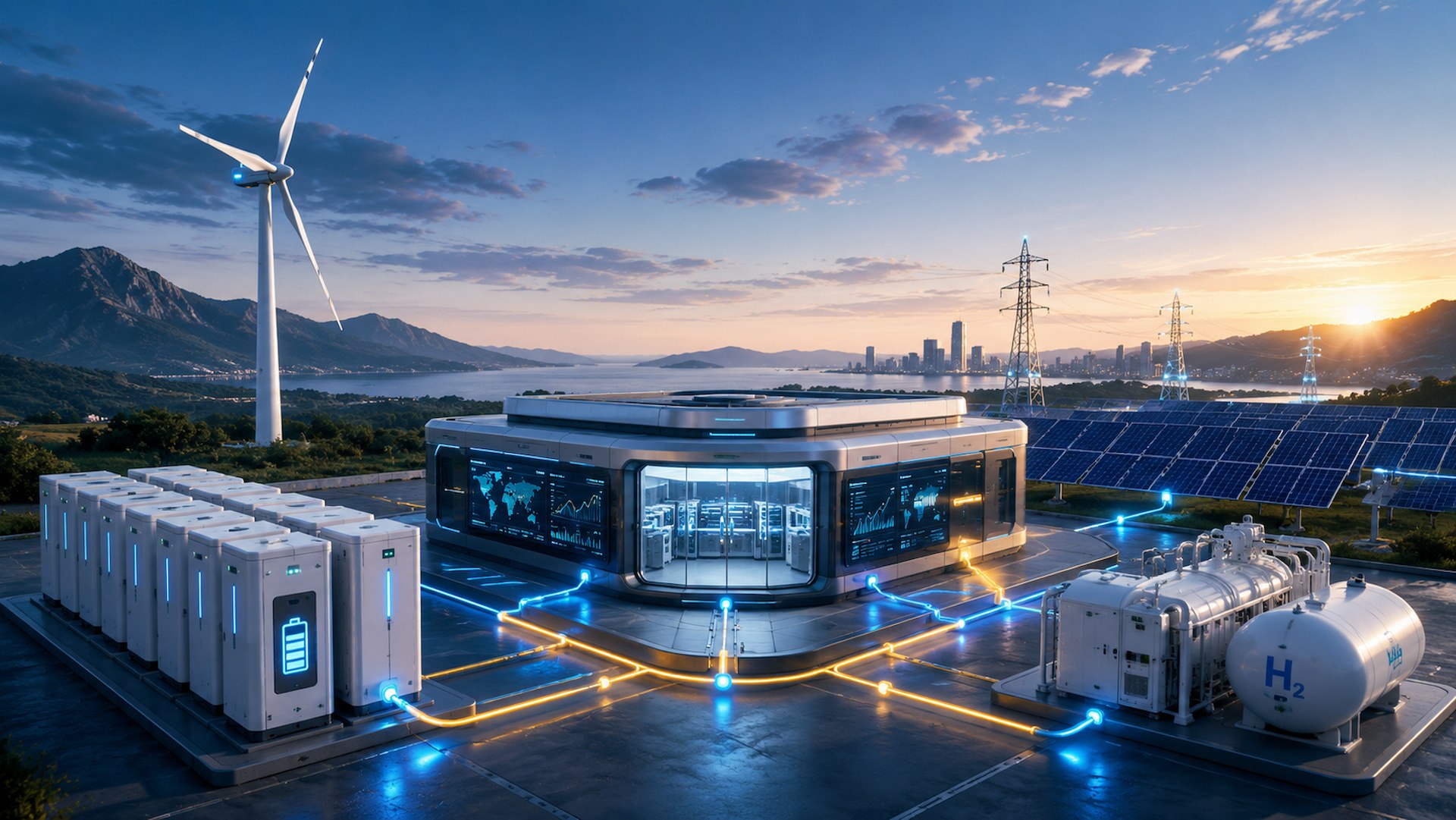
The Role of Emerging Technologies in the Future of Energy Sector
AI, quantum physics, blockchain, extended reality, and advanced connectivity are usually discussed as ways to improve existing energy systems. But what changes when the same technologies are applied to energy generation itself? From materials modeling and experimental validation to distributed participation and workforce training, the boundaries between physics, computation, and infrastructure are becoming increasingly interesting to examine.
When a Machine Has a Seat at the Table: A Conversation with Holger-Thorsten Schubart
What changes when artificial intelligence moves beyond analysis and into defined institutional roles? This conversation examines AI executives, human accountability, scientific collaboration, organizational continuity, and the boundaries between machine capability and human judgment. At its center lies a broader question about how research institutions may reorganize when knowledge, simulation, laboratories, and decision-making can be connected across borders.
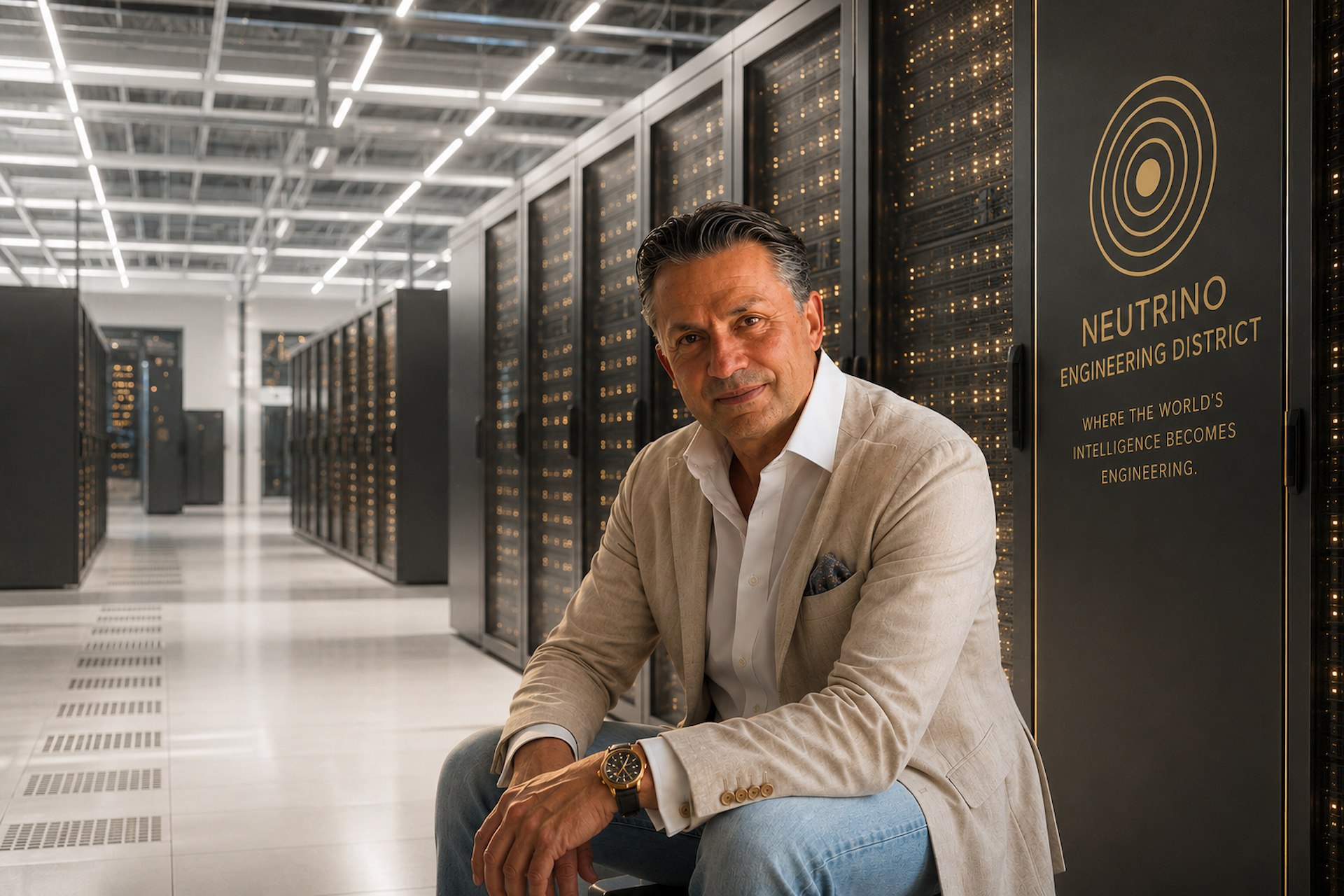
Wenn eine Maschine mit am Tisch sitzt: Ein Gespräch mit Holger-Thorsten Schubart
Was verändert sich, wenn KI nicht mehr nur Werkzeug im Hintergrund ist, sondern Teil einer wissenschaftlich-industriellen Organisationsstruktur wird? Dieses Gespräch führt von menschlicher Letztverantwortung und überprüfbarer Forschung über globale Zusammenarbeit bis zur Frage, ob Intelligenz überhaupt noch an einen Ort gebunden sein muss. Im Zentrum steht dabei ein Spannungsfeld, das weit über Energie hinausreicht: Was sollte die Maschine leisten, und was muss beim Menschen bleiben?
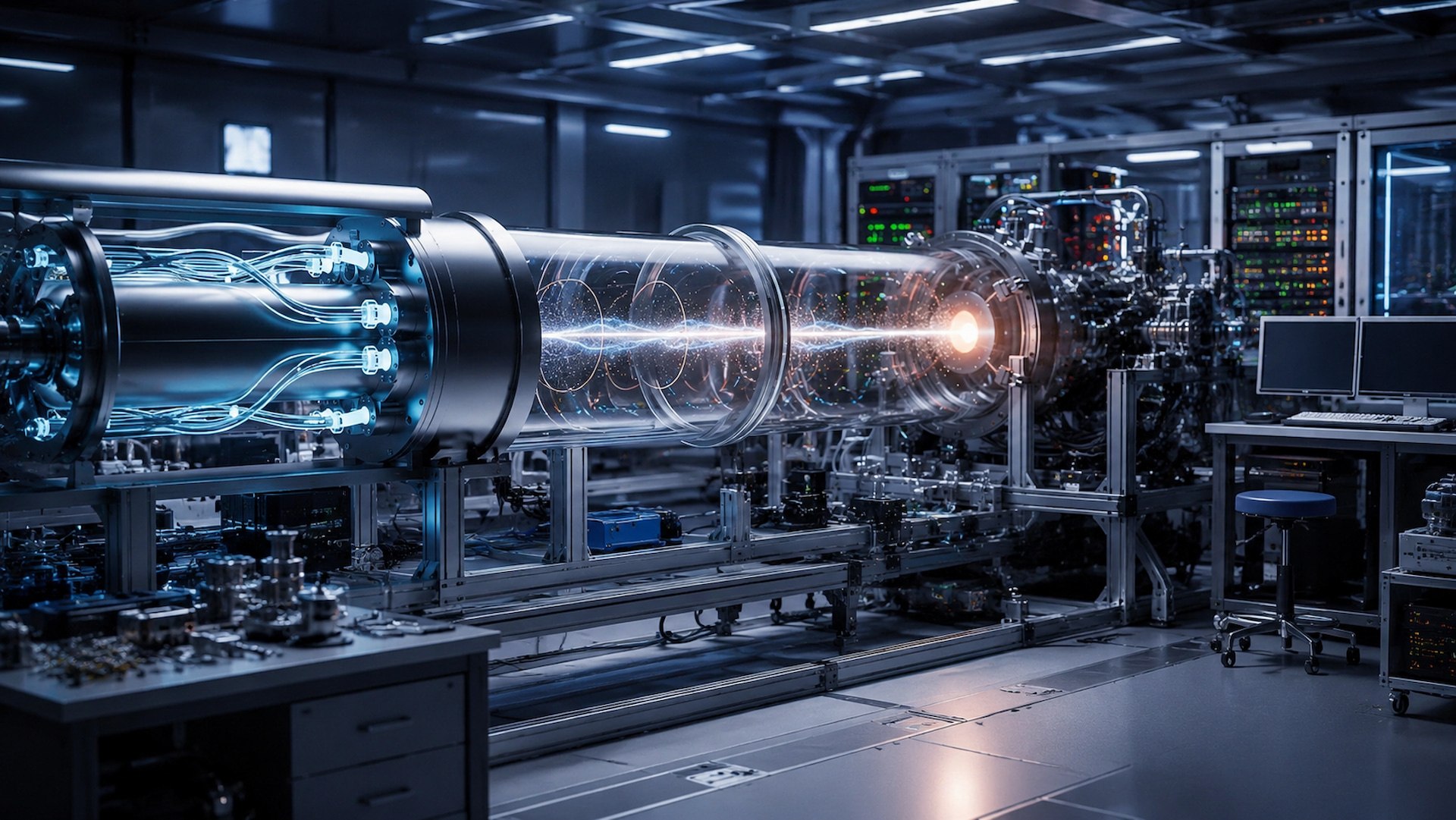
A Neutrino Laser and the Communication Question Nobody Else Was Asking
Neutrinos cannot lase the way photons do. Dicke superradiance may offer another route. A proposed rubidium-83 Bose-Einstein condensate could produce coherent, controllable neutrino emission without conventional stimulated emission. The implications reach beyond an unusual quantum experiment. Independent physicists identify neutrino-based communication as one possible application, revisiting a question already tested in principle at Fermilab in 2012 and explored separately by Project 12742.
The AI Executive Layer of the Neutrino Engineering District
What changes when artificial intelligence is given a permanent place inside an engineering institution, but not the final word? Avery Laurent and Morgan Elian sit at the intersection of scientific synthesis, governance, institutional memory and human responsibility, within a structure designed around distributed knowledge rather than a conventional headquarters. The more interesting question is not whether AI belongs at the table, but what authority, limits and accountability should look like once it gets there.

从光子到宇宙粒子
当光子跃迁、CEνNS、石墨烯、声子传输与半导体界面被放进同一套物理框架,两种能量转换路径之间的差异就不再只是“有没有阳光”。从传统光伏的带隙约束,到粒子、晶格振动与载流子之间更复杂的能量传递,这里涉及的是一场跨越量子力学、凝聚态物理与材料科学的技术比较。
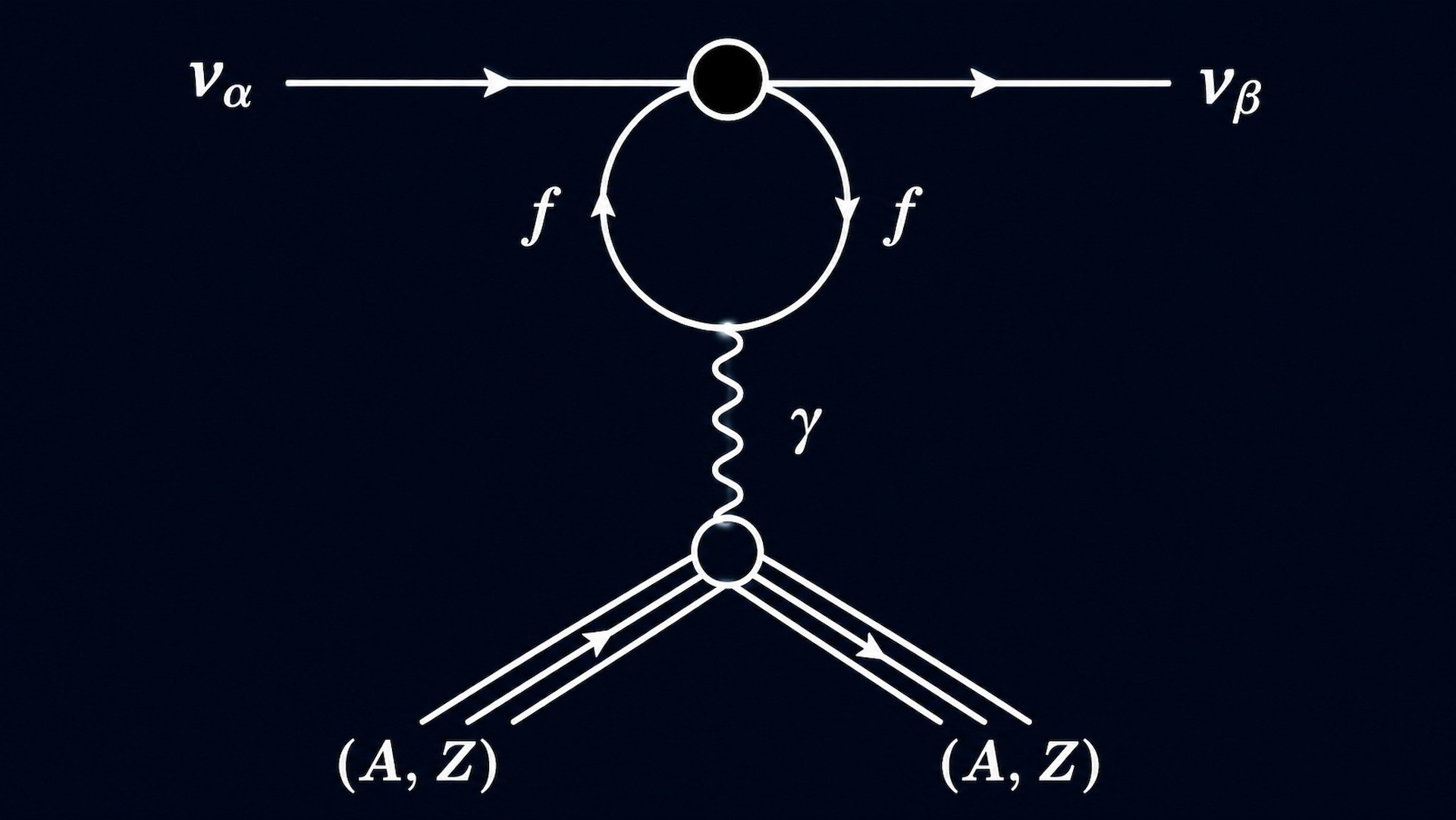
Neutrino transition magnetic moments within the non-standard neutrino-nucleus interactions
What if neutrino scattering carries signatures that the Standard Model does not fully capture? Tensor interactions open a route into transition magnetic moments, milli-charges, nuclear recoil signatures, and the limits experiments can place on unfamiliar neutrino behavior.
Quantum Physicists Just Reclassified Waste Heat. Neutrinovoltaics Did It First.
Where does waste end and useful energy begin? New quantum thermodynamics research from the University of Basel challenges the idea that this boundary is fixed. In a seemingly distant field, neutrinovoltaic research has been asking a related question through multilayer nanomaterials and ambient energy interactions.
What AI Gets Wrong About Frontier Science, and Why It Matters
Ask AI a broad scientific question and established consensus usually sets the boundaries. Change the question by specifying the thermodynamics, interaction scale, geometry, and contributing physical channels, and the analysis can change with it. Frontier science exposes an important tension between statistical familiarity and precise physical framing, especially when newer frameworks remain underrepresented in the scientific literature AI encounters.
Neutrino® Energy Group Establishes Neutrino Engineering District to Move Scientific Consistency Toward Industrial Infrastructure
Where does scientific validation end and engineering begin? The Neutrino Engineering District places that boundary under examination through a distributed structure connecting physics, materials science, simulation, metrology, engineering, manufacturing and professional training. Its working sequence is deliberately measurable: simulate, measure, reproduce, engineer, scale.
Neutrino Engineering District
When does a scientific framework become an engineering programme? The Neutrino Engineering District explores that threshold through a distributed model linking physics, materials science, industrialisation, metrology, and AI-assisted simulation. Its central question is not whether every uncertainty has disappeared, but how evidence, reproducibility, measurement, and manufacturing can be organised around one shared technical objective. The document also sets out its six divisions, parallel engineering missions, and humanitarian constraints.
What the World's Most Sensitive Neutrino Experiment Tells Us About the Next Fifty Years of Energy
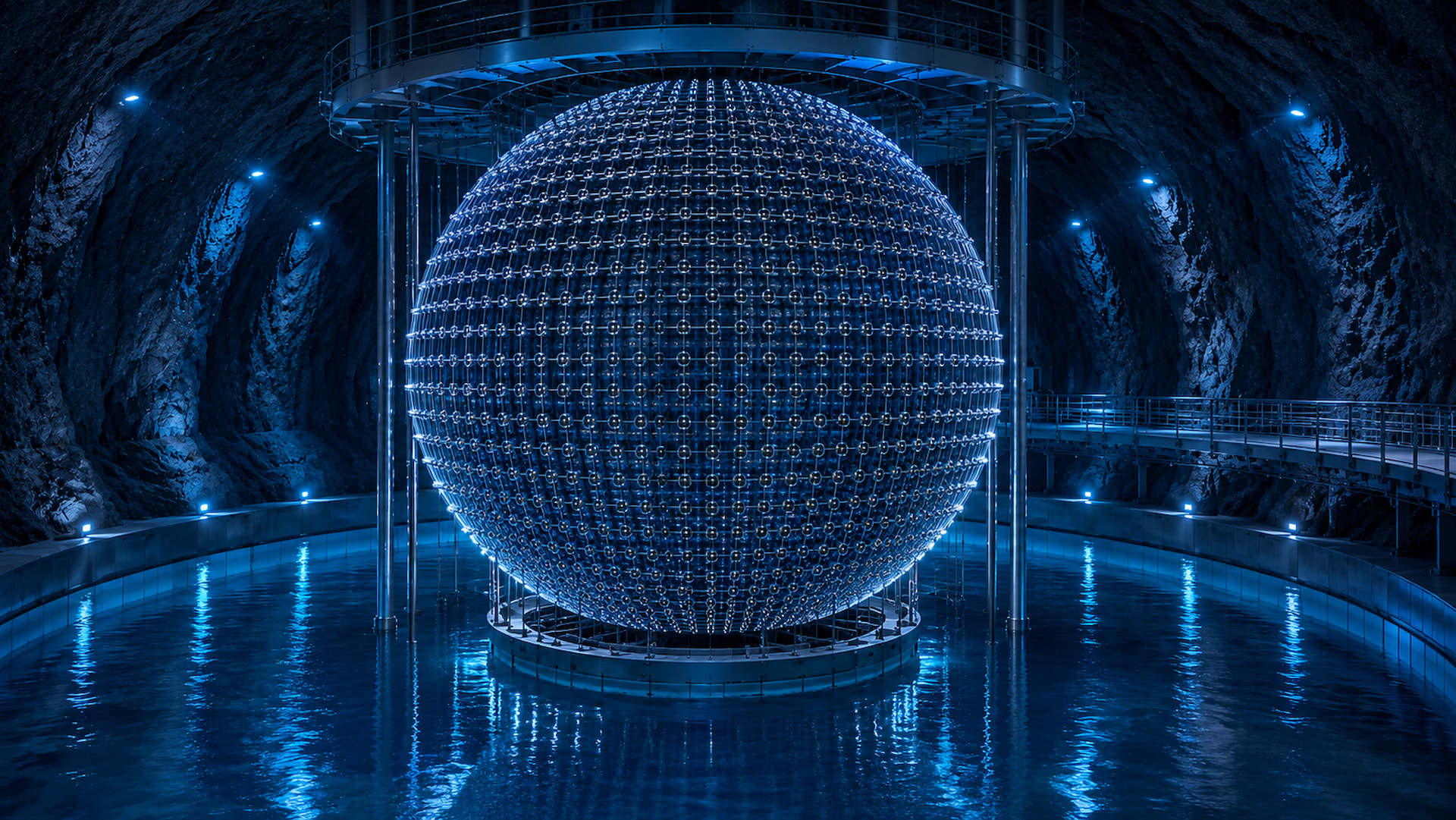
KATRIN's 25-meter spectrometer was built to probe a particle property measured in fractions of an electronvolt. Beyond Karlsruhe, another question emerges: what happens when neutrinos, electromagnetic fields, thermal fluctuations, and other ambient inputs are approached not only as phenomena to measure, but as physical interactions materials might respond to? From precision neutrino experiments to graphene-based conversion research, the boundary between fundamental physics and applied engineering is becoming increasingly interesting.

Emerging Energy Technologies and the Rules Written for a Different World
Energy regulation is built around categories that already have names, standards, certification routes, and decades of precedent. But what happens when a generation technology fits none of the existing boxes? Neutrinovoltaic technology offers a useful case for examining how regulatory systems encounter genuinely new technical categories, and why classification can become as important as engineering.

Neutrinovoltaics – Making Invisible Energy Understandable
What happens when an energy concept is unpacked one question at a time? Across 27 audio lessons and 7 modules, Neutrinovoltaics is approached from several angles, moving from familiar everyday observations toward physical principles, numerical relationships, technical architecture, and possible applications. A structured route for anyone who wants to examine how the individual pieces connect, without having to tackle everything at once.
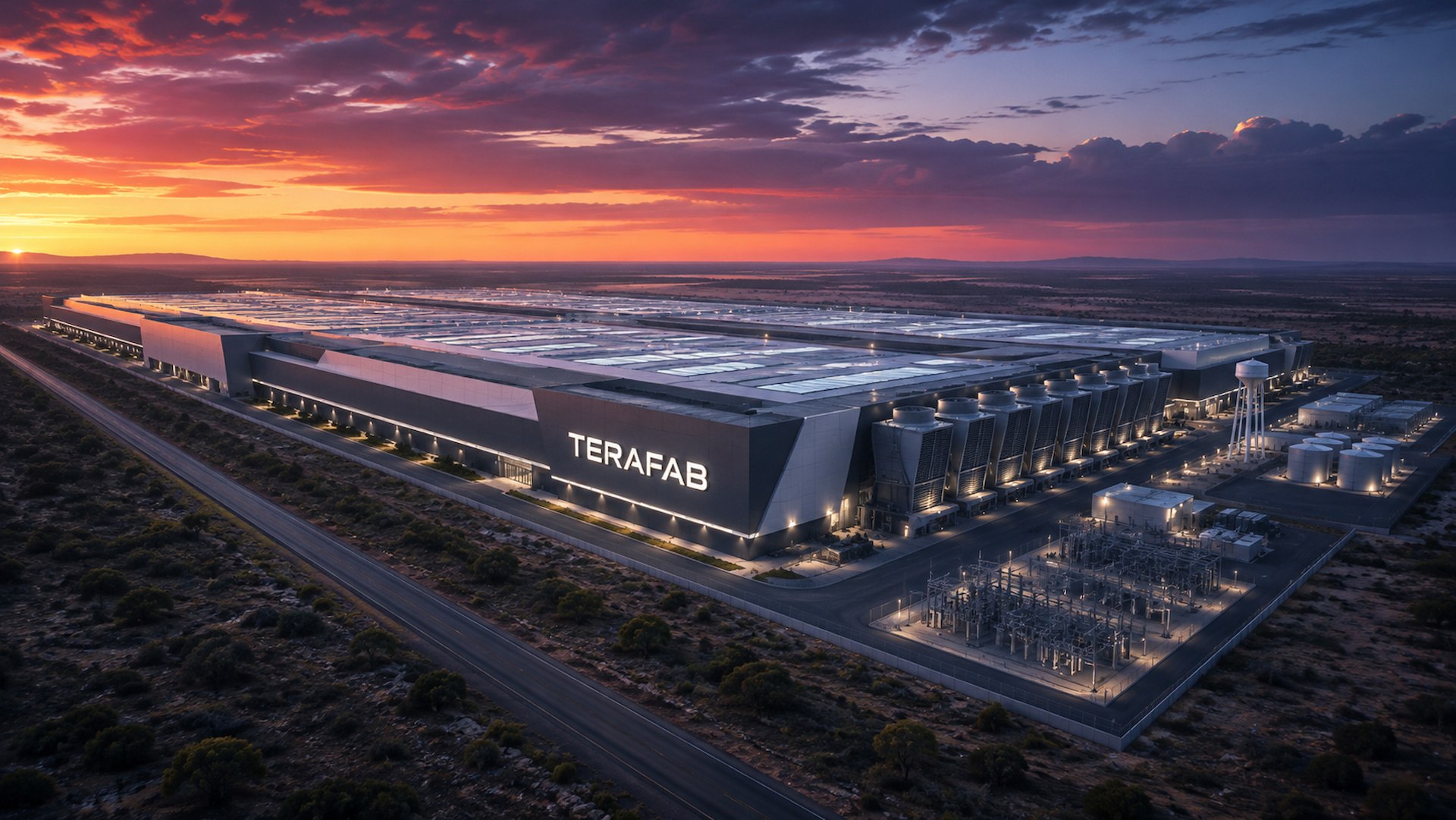
Terafab and the Hidden Energy Story Behind the World's Biggest Chip Factory
A 100-million-square-foot chip factory is remarkable. The more consequential detail may sit outside the fabrication lines. Terafab is expected to pair its enormous computing ambitions with substantial onsite power generation, bringing energy infrastructure into the project from the beginning. That choice opens a broader question for AI and semiconductor manufacturing: when electricity becomes part of the architecture itself, which forms of continuous generation can realistically meet industrial-scale demand?